Sweet Love Story Blog
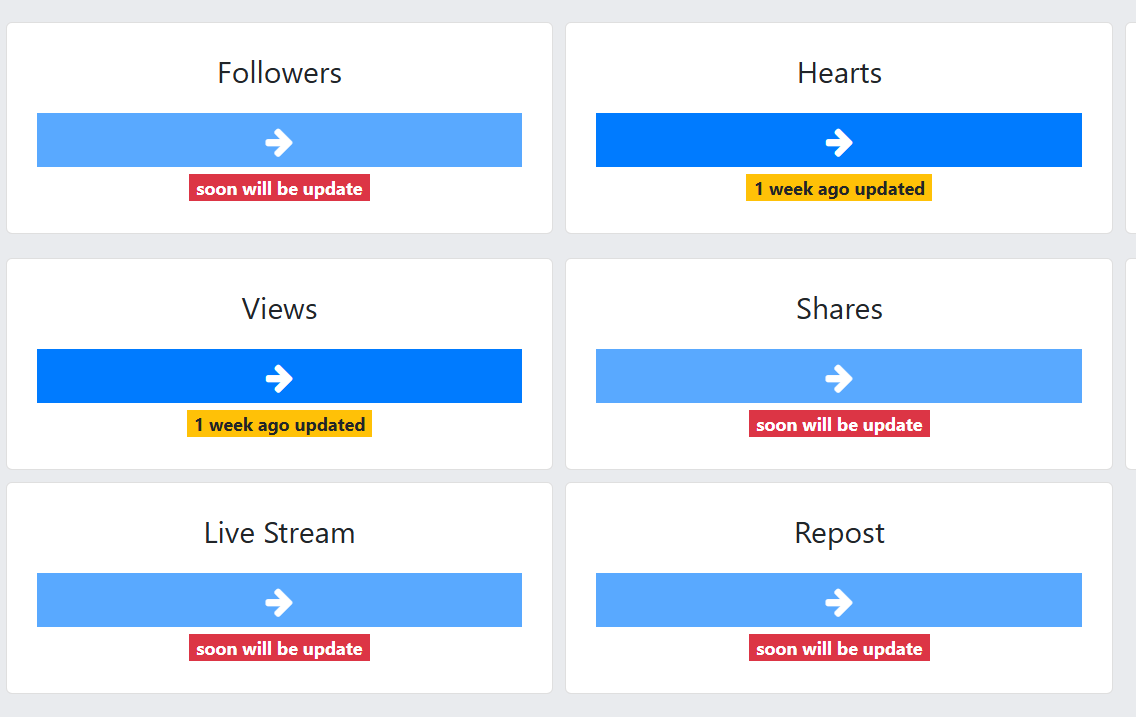
The message "soon will be updated" is commonly used on websites, applications, online services, blogs, and digital platforms when new information or features are expected to become available in the near future.
Visitors may see messages such as "will be updated soon", "soon to be updated", or "coming soon" when a page or service is currently being prepared for new content.
These short messages are useful because they tell visitors that the current information may not be the final version and that additional updates are expected.
"Soon will be updated" generally means that a website, page, application, service, or piece of information is expected to receive an update in the future.
The update may include new information, improved features, corrected content, redesigned pages, new images, updated schedules, or other changes.
In simple terms, "will be updated soon" means that something is currently being prepared and users should expect new or improved information later.
Websites frequently use update notices when information is still being prepared. Publishing an update message can be better than leaving visitors wondering why a page is incomplete or why certain information is not available yet.
An update notice also helps communicate that the website is active and that additional information may be added in the future.
Website owners often display soon to be updated when a particular page is not ready for its final version.
This can happen with news websites, sports pages, blogs, product pages, entertainment websites, online directories, and other digital platforms.
Both phrases are understandable, but "will be updated soon" is more natural and commonly used in standard English.
For a website notice, phrases such as "Will Be Updated Soon", "Coming Soon", and "Soon to Be Updated" can communicate the same general idea.
A future update can contain many different types of improvements. Depending on the website or service, an update may introduce new content, fix errors, improve usability, or provide additional functionality.
Regular updates can help keep a website useful and relevant. Online information can become outdated as products, services, schedules, technologies, and trends change.
Updating content gives visitors a better chance of finding current information and can also improve the overall user experience.
Websites in 2026 continue to change rapidly. New technologies, artificial intelligence tools, mobile applications, entertainment services, sports schedules, and online platforms can all require frequent updates.
For this reason, visitors may encounter update notices on pages that are waiting for new information or improved features.
If a page says will be updated soon, users can simply return later to check whether new information has been published.
If the website provides an official notification system, users may also be able to subscribe to updates or follow the website's official communication channels.
When waiting for an online update, avoid clicking suspicious pop-ups or downloading unknown files that claim to provide the latest version. Use the official website or trusted application source whenever possible.
Mobile and desktop applications may also display update-related messages when a new version or feature is being prepared.
App updates can include performance improvements, new functionality, security fixes, interface changes, and compatibility improvements.
Online services may use update notices when they are preparing new features or modifying an existing service. Sometimes a section of a website may temporarily show an update message while developers complete their work.
The exact timing of an update depends on the service provider and the development process, so "soon" does not necessarily indicate a specific date.
Updated information is valuable because users rely on websites for decisions, research, entertainment, education, shopping, and many other activities.
Website owners can use short update messages to clearly communicate that a particular page is not yet complete or that new information is being prepared.
A good notice should be easy to understand and should not mislead visitors. If a specific update date is known, providing that date can make the notice even more useful.
Different situations require different wording. A short message is usually best when the visitor only needs to know that new information is coming.
"Soon will be updated" is a common type of message used to tell visitors that new information, content, or features are expected in the future.
For natural English, "will be updated soon" is usually the better wording for websites and applications. Other alternatives include "soon to be updated", "coming soon", and "more information coming soon".
Whether the update involves a website page, mobile application, online service, article, schedule, or digital feature, users should rely on official sources and avoid suspicious links or downloads while waiting for new information.